A Taste That Tells a Story
Step into a Mauritian kitchen or stroll through a street market, and one will quickly catch the unmistakable aroma of cumin, turmeric, and masala in the air. Indian flavours are everywhere — not only in restaurants or homes, but deeply embedded in the island’s identity. While Mauritius is a fusion of cultures, Indian cuisine stands out as one of the most deeply rooted and celebrated.
The Roots of Indian Cuisine in Mauritius
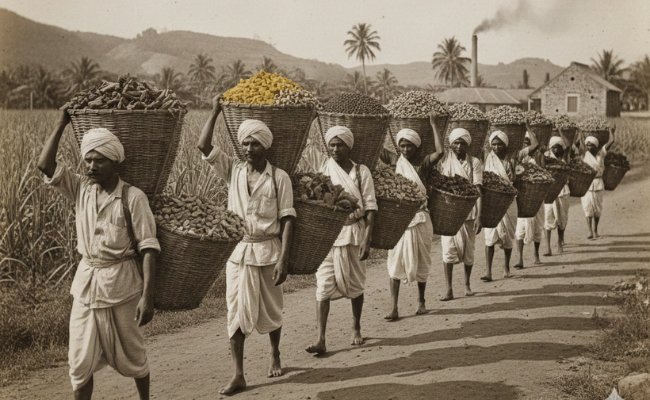
When Indian indentured labourers arrived in Mauritius between 1834 and 1920, they brought with them far more than just manpower for the sugarcane fields. They carried spices, recipes, and a rich food culture that would shape local cuisine for generations. Over 450,000 Indian workers arrived, mainly from Bihar, Uttar Pradesh, Tamil Nadu, and Andhra Pradesh.
Over time, their culinary traditions blended with local ingredients and French-Creole influences, giving rise to Mauritian Indian cuisine — a vibrant, flavourful fusion found in homes, street stalls, and celebrations.
Local Dishes with Indian Origins

Take dholl puri, for instance. These thin, soft flatbreads are filled with ground yellow split peas and served with bean curry, rougaille, and coriander chutney. It is one of the island’s most beloved snacks, often referred to as Mauritius’ “unofficial national dish.” Although inspired by Indian paratha, dholl puri has evolved into something uniquely Mauritian.
Another cherished dish is biryani, a staple at weddings and festive events. The Mauritian version includes marinated chicken or mutton, saffron-infused basmati rice, and local potatoes — an essential addition — all layered and cooked in large pots known as deg. It is typically served with tomato salad and rougaille pima (a chilli paste).
Farata, the local interpretation of North Indian paratha, is also widely consumed. Commonly served with butter bean curry (cari gros pois) or lentils, farata is enjoyed daily across the island, from street vendors to home kitchens.
The Power of Spices
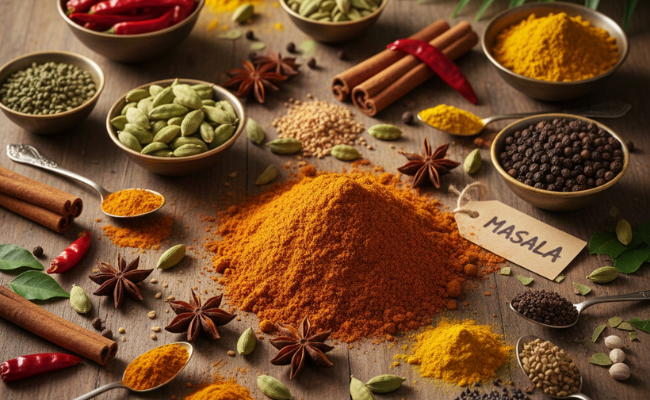
Mauritian Indian dishes owe much of their character to their spice blends. Many families continue to prepare their own massale at home, using cumin, fenugreek, coriander seeds, and black pepper. Unlike Indian garam masala, Mauritian massale is milder yet aromatic and deeply flavourful. In rural markets, women often sell homemade curry powders, achard (pickled vegetables), and fresh chutneys — a practice passed down from Indian ancestors.
Festivals, Culture and Unity Through Food
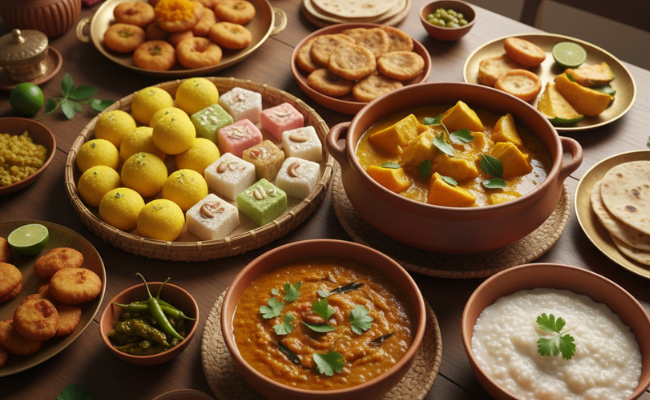
Food holds a central place in religious and cultural life. During Divali, households prepare sweets such as laddoo, barfi, and gato patate to share with neighbours. During Thaipoosam Cavadee, Tamil devotees observe strict vegetarian diets, enjoying dishes like jackfruit curry, lentils, and sagoo.
Indian flavours have also merged with other traditions. Creole rougaille is often seasoned with curry leaves and mustard seeds. Even Chinese fried noodles are occasionally served with Indian pickles — a delicious symbol of cultural harmony.
More Than Just Food
Mauritian cuisine is a testament to how food bridges cultures and tells stories. Indian flavours are not merely a chapter in the island’s culinary history — they are part of its living heritage, savoured with pride by every community.