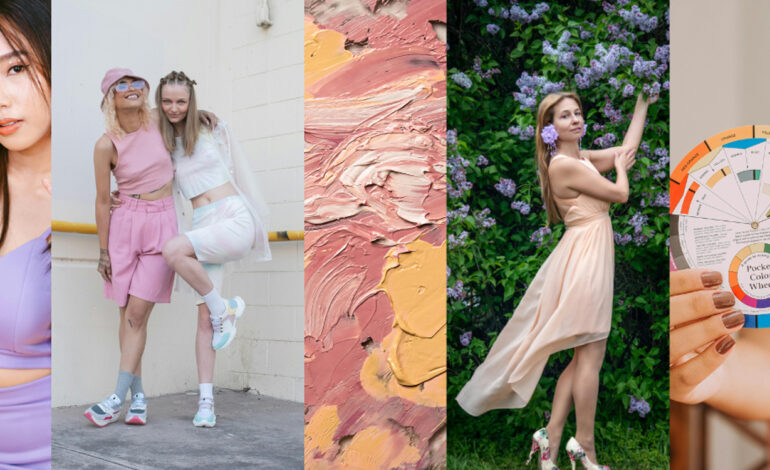
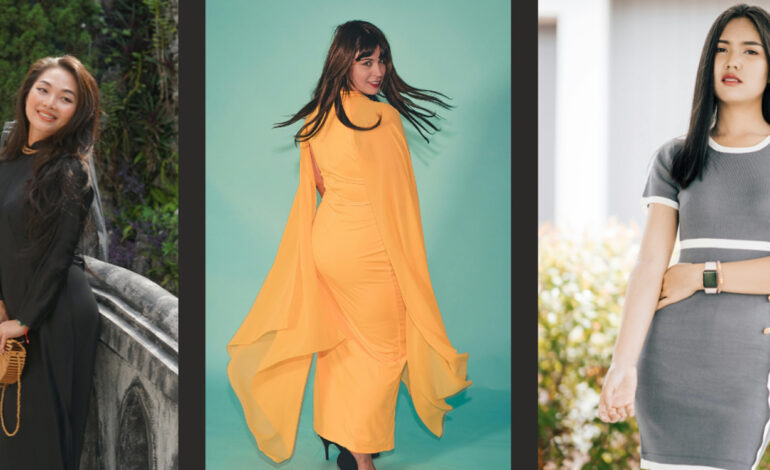
Dresses have been worn by women from the beginning of time, both in everyday life and on special occasions. More than just a piece of clothing, it expresses the age, culture, and identity of the lady who wears it. The dress, which has served as a symbol of power, femininity, comfort, and elegance throughout history, has developed in response to social movements, textile breakthroughs, and aesthetic trends.
From Ancient Origins To Medieval Elegance
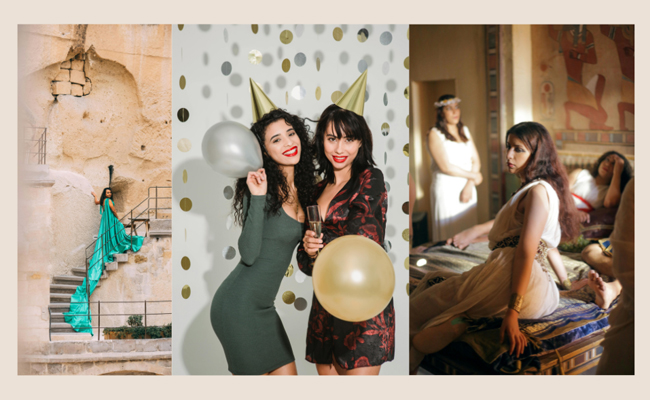
The earliest types of clothing trace back to antiquity. Women in ancient Egypt wore long linen tunics that were either fitted or draped according to their social position. Women’s clothing in Greece and Rome, such as the stola or peplos, were constructed of flowing fabrics that enveloped the body without intricate seams and were frequently kept in place with fibulae or belts. Dresses evolved into more structured designs during the Middle Ages. They were often floor-length and made up of many layers of cloth. Sleeves widened, bodices tightened, and details (embroidery, belts, collars) reflected social status. The cut began to vary according to area and tradition.
The Renaissance And Sophistication Of Style
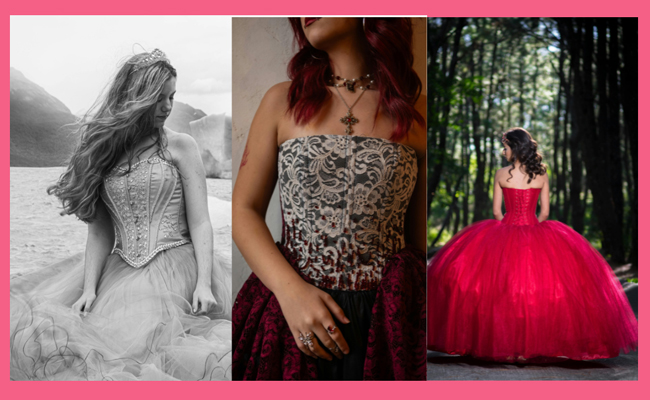
The Renaissance constituted a turning point : gowns were a real emblem of luxury and sophistication. Corsets accentuated the waist, skirts fanned out with petticoats or farthingales, and textiles were embellished with silks, brocades, and velvets. Dresses like the French dress and the hoop skirt developed stunning shapes in the 17th and 18th centuries, notably in European courts.
From Tradition To Modernity
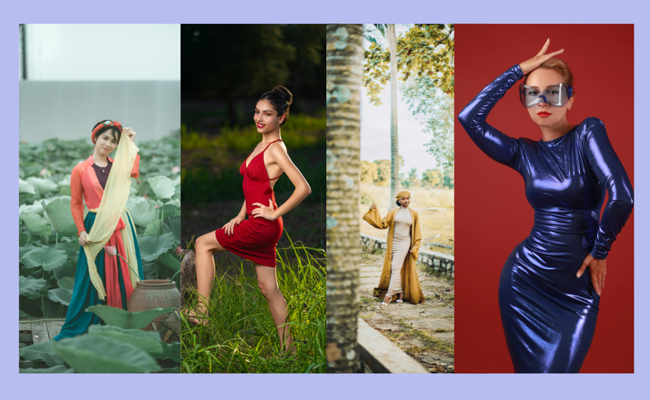
Women’s dress altered dramatically over the nineteenth century. The female silhouette developed in response to artistic and political movements, from the clean lines of the empire dress at the turn of the century to the voluminous crinoline gowns of the 1850s and, finally, the bustle dress. The introduction of custom tailoring, popularised by Charles Frederick Worth, paved the way for haute couture.
The twentieth century witnessed a change. In the 1920s, gowns got shorter and lighter, representing contemporary women’s liberty. The Charleston dress has become famous. In the decades that followed, luminaries such as Coco Chanel, Dior, Givenchy, and Yves Saint Laurent reinvented the dress: the little black dress, the A-line dress, the strapless dress, the wrap dress.
The Dress, A Reflection Of Identities
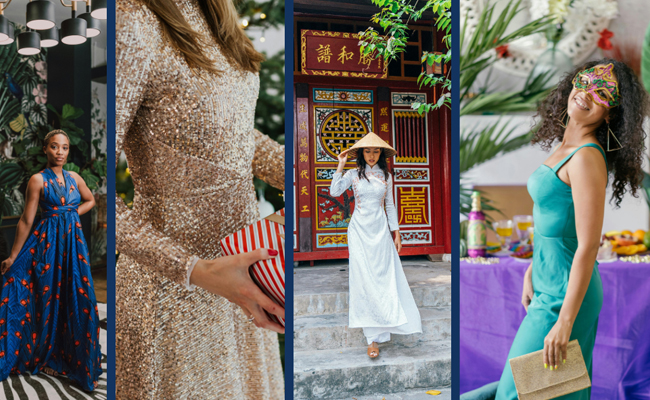
Dresses now represent greater variation and freedom of expression in apparel than ever before. They come in an unlimited number of forms, lengths, cuts, and materials, letting anybody select one that complements their figure, style, or mood. Dresses, whether long or short, straight or flared, basic or decorated with exquisite embellishments, may be tailored to fit every taste and occasion. They have a particular place in everyday wardrobes as well as in the most memorable moments of life: at work, on a night out, at a wedding, a ceremony, or a special occasion. It may also be found on the catwalks of major fashion events, as well as in sustainable collections featuring ethical, long-lasting, and inclusive designs. Today, more than ever, the dress embodies a diverse, accessible fashion that emphasizes individualism.
The Main Types Of Dresses
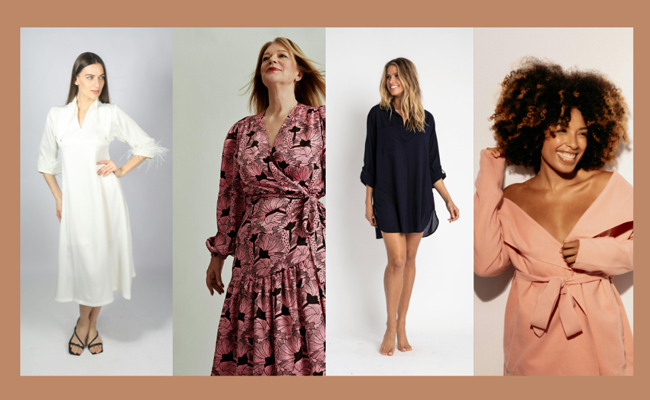
Dresses have evolved over time, taking on a variety of designs, styles, and lengths to suit fashions, demands, and body types. Here’s an introduction of several notable dress styles that we’ll go over in greater depth in subsequent articles:
- The straight dress:
Simple and sleek, it falls without emphasising the waist. Versatile, it is suitable for both the office and casual occasions.
To find out more about straight dress, check out the article “The Straight Dress”.
- The wrap dress:
Created by Diane von Fürstenberg, it wraps around the body and ties at the side. It emphasises the waist and suits many body types.
To find out more about wrap dress, check out the article “The Wrap Dress”.
- The empire dress:
Characterised by a very high waist, just below the bust, it elongates the silhouette and adds a romantic touch.
To find out more about Empire Dress, check out the article “The Empire Dress”.
- The A-line dress:
Flared from the shoulders or bust, it offers comfort and elegance and is highly appreciated for its retro 1960s look.
To find out more about A-Line Dress, check out the article “The A-Line Dress”.
- The strapless dress:
With no sleeves or straps, it highlights the shoulders and neckline. Perfect for evenings or formal events.
To find out more about Strapless Dress, check out the article “The Strapless Dress”.
- The mermaid dress:
Fitted to the knees and then flared, it hugs the curves and seduces with its sophisticated look, especially in wedding dresses.
To find out more about the Mermaid Dress, check out the article “The Mermaid Dress”.
- The shirt dress:
Inspired by men’s shirts, it is buttoned at the front and can be belted. Casual, chic or relaxed depending on the fabric.
To find out more about the Shirt Dress, check out the article “The Shirt Dress”.
- The skater dress:
Fitted at the waist and flared at the bottom, it is reminiscent of figure skating skirts. Feminine, youthful and flattering for many body types.
To find out more about the Skater Dress, check out the article “The Skater Dress”.
Over the decades, gowns have evolved into much more than simply clothing: they are a language, a symbol, and an expression of self. They have chronicled the evolution of cultures, preferences, and mentalities from antiquity to the present. They now exist in a limitless number of styles, are suitable for all body shapes, and represent all personalities.
In the following pieces, we urge you to explore the heart of each style of clothing. You’ll learn about their history, distinguishing traits, which body types they fit best, and how to wear them effectively for various situations.
Whether you are a fashion enthusiast, searching for assistance, or simply inquisitive, this series will teach you how to better understand and pick the clothes that are perfect for you.