When Mauritius gained its independence on 12 March 1968, the country inherited basic infrastructure from the colonial period and faced the great challenge of building its own future. Under the leadership of Sir Seewoosagur Ramgoolam, the first government of independent Mauritius placed strong emphasis on practical development. The aim was to modernise the island and create the foundations for growth by improving roads, the airport, and the port. These projects would help people, goods, and ideas move more freely across the nation and beyond.
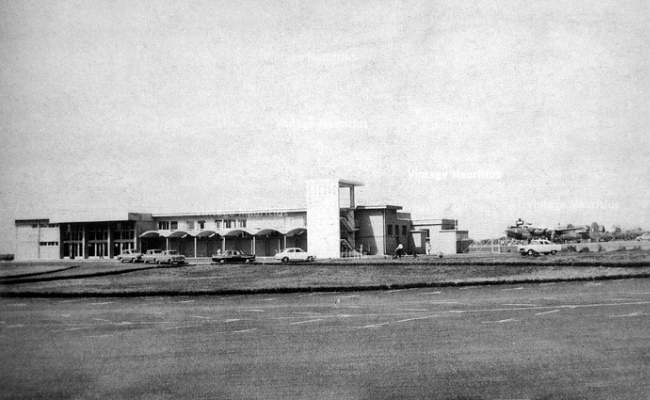
One of the first priorities was the improvement of the country’s air link. The airport at Plaisance, later renamed Sir Seewoosagur Ramgoolam International Airport, had originally been built during the Second World War as an airfield. In the years following independence, it became the main gateway to the outside world. With the rise of tourism and international trade in the 1960s and 1970s, the government worked to modernise the facilities and improve road access to the airport, ensuring that the island could welcome more visitors and strengthen its economic connections.
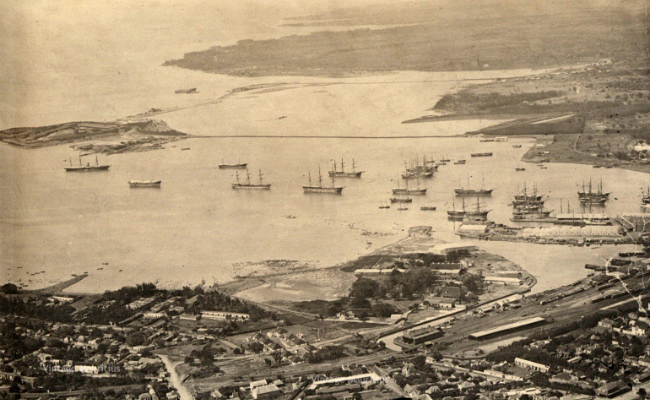
The harbour of Port Louis was already the heart of Mauritius’s commercial activity. In the early 1970s, it handled large quantities of sugar exports and other goods essential to the national economy. As the country sought to diversify beyond sugar, the port was gradually modernised to accommodate larger vessels and an increasing flow of trade. These improvements played a key role in helping Mauritius shift from a traditional agricultural economy to a more open and dynamic one.
Road development was another vital focus. With railways no longer in use, roads became the main arteries of the island. The government invested in upgrading main roads and building expressways to connect towns, villages, and ports. By the mid-1970s, a ten-mile expressway linking Port Louis to the south was completed, marking a significant step forward in the island’s development. Better roads made it easier for rural communities to access markets and for citizens to travel more efficiently across the island.
Although these projects may appear modest today, they represented the first steps of a young nation determined to stand on its own. They symbolised progress, unity, and hope. The early years after independence laid the physical and emotional foundations for the Mauritius we know today, connected, forward-looking, and proud of its freedom.