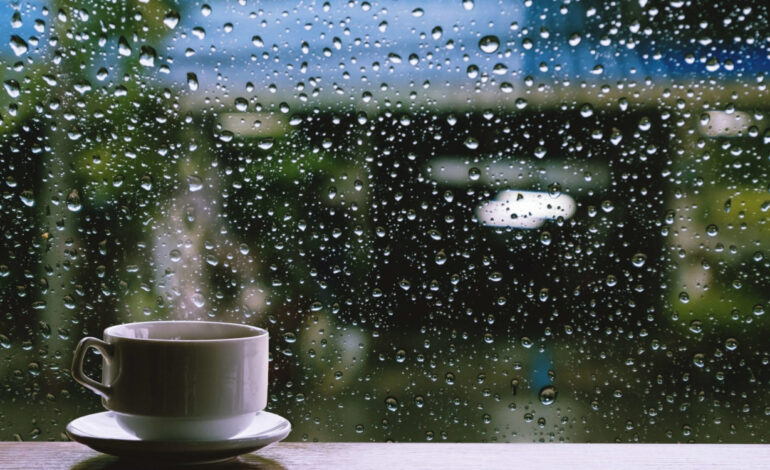
Mauritius is known for its colourful landscapes and rich culinary traditions, but many of its unique flavours come from something far more powerful than recipes: the weather. The island’s tropical climate, marked by warm temperatures, seasonal rainfall, and the occasional cyclone, plays a defining role in shaping how fruits, vegetables, and spices grow. Over generations, Mauritian farmers have adapted their practices to match the rhythms of nature, creating produce that reflects both the land and the climate.
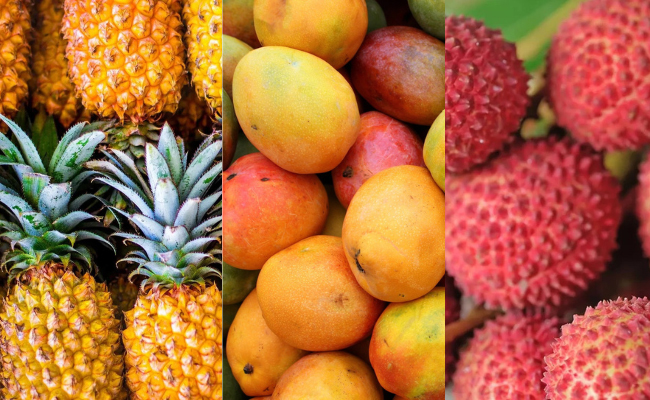
The summer months, from November to April, bring heavy rainfall and higher humidity. These conditions help tropical fruits thrive. Mangoes become sweeter, pineapples grow more juicy, and lychees develop their distinctive floral taste during wetter periods. Many Mauritians still refer to these fruits as “seasonal treasures,” as families eagerly wait for the lychee season in December or the arrival of ripe mangoes around the New Year. The link between rain and ripeness is deeply rooted in everyday life.
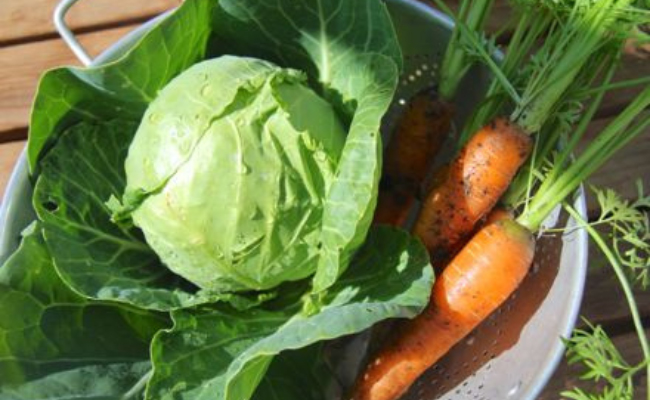
Vegetables grown in highland regions, such as in Curepipe or Midlands, benefit from cooler temperatures and frequent showers. Cabbages, carrots, and greens grow well in these areas, where the weather is milder and less humid than in coastal regions. This difference in microclimates creates the diverse produce found in local markets. A walk through a bazaar like those in Port Louis, Quatre Bornes, or Flacq shows this variety, shaped largely by altitude and rainfall.
However, the weather can also challenge local agriculture. Cyclones, which occur mainly between December and March, can damage crops and delay harvests. Over time, farmers have developed strategies to reduce these losses, such as planting wind-resistant varieties or adjusting their sowing calendars. The Ministry of Agro-Industry and research institutions monitor weather patterns closely, helping farmers plan better and protect their crops.
Mauritian spices also reflect the island’s climate. Chilli, for instance, becomes more intense during dry spells, while herbs such as thyme and coriander prefer cooler, less humid conditions. Tea grown in the highlands, like around Bois Chéri, owes its flavour to misty mornings and regular rainfall, which give it a smooth and balanced taste.
Weather does more than influence farming, it shapes Mauritian identity. From seasonal fruits that signal celebrations to the daily threat of sudden rain showers, the climate is woven into both cuisine and culture. As Mauritius continues to face the effects of climate change, understanding this relationship becomes even more important. By respecting natural rhythms and adapting to new challenges, the island can preserve the flavours that make its food truly Mauritian.