Mauritius is a nation where history and culture meet in its buildings. From colonial-era houses to modern temples and mosques, architecture reflects the island’s diverse beliefs, traditions, and social changes.
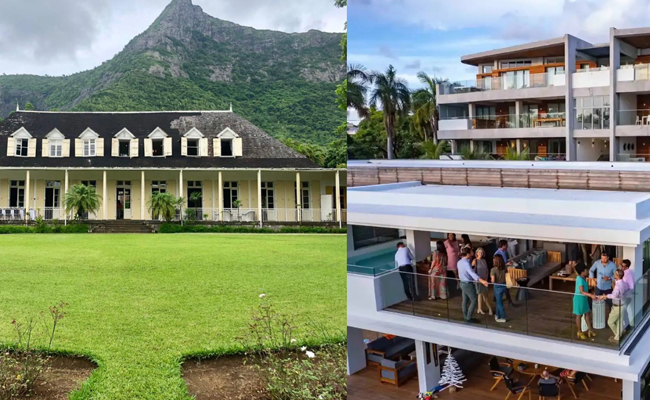
The early modern period after independence in 1968 saw a transformation in public and private buildings. Architects began blending European styles inherited from the French and British colonial periods with local materials and designs suited to the tropical climate. Concrete, bricks, and coral stone became common, allowing for more durable and resilient constructions.
Religious architecture is particularly striking. Hindu temples, Christian churches, and Muslim mosques are spread across the island, each showcasing unique artistic elements. Temples often feature vibrant colours, carved wood, and tiered towers, while churches blend Gothic and colonial influences with local touches. Mosques frequently combine Islamic geometric patterns with tropical layouts to suit the climate.
Residential architecture has also evolved. Single-storey houses with verandas remain popular, but multi-storey apartments and modern villas now reflect global trends. Many buildings incorporate energy-efficient designs, natural ventilation, and rainwater harvesting to adapt to environmental challenges.
Urban planning in cities such as Port Louis and Curepipe shows a mix of old and new. Streets lined with colonial-era façades sit alongside modern government buildings and commercial centres. This blend preserves the island’s heritage while accommodating contemporary needs.
Architecture in Mauritius is more than structures; it represents identity and community. Buildings tell stories of migration, religion, and cultural exchange. They are living monuments to the island’s resilience and creativity.
Modern architects continue to experiment with sustainable materials, solar panels, and designs inspired by local culture, ensuring that Mauritius’s architectural heritage evolves while remaining rooted in its traditions.