Tourism marketing has undergone remarkable change over the past decades. What once depended on printed brochures, postcards, and travel agencies has gradually shifted to digital platforms, social media, and immersive online experiences. This evolution reflects not only the growth of global tourism, but also the changing ways in which people dream, plan, and book their holidays.
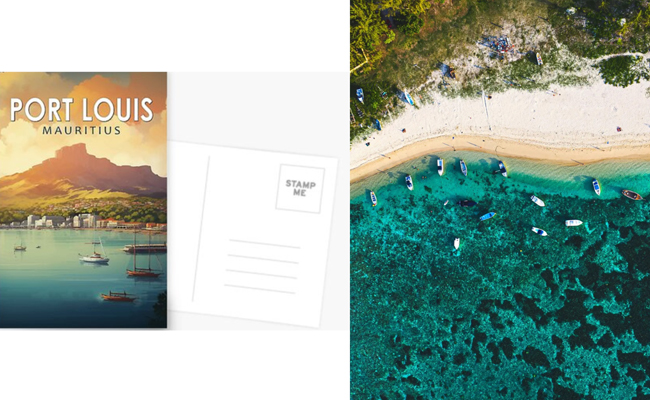
Before the digital era, destinations around the world promoted themselves through printed materials. Postcards, travel magazines, and posters played a central role from the early twentieth century onwards. These images often highlighted beaches, landmarks, and cultural scenes, and they were distributed through travel agents and national tourism offices. For many countries, these postcards created the first mental picture that travellers had of a place.
The rise of television in the second half of the century introduced a new dynamic. Countries began producing promotional videos that appeared on international channels and in-flight entertainment. These campaigns aimed to create emotional appeal through music, storytelling, and moving images. They also reflected what visitors of the time expected, for example, sun, sea, adventure, or cultural discovery.
The real transformation began in the late 1990s and early 2000s with the spread of the Internet. Websites became the new “shop windows” for destinations. Travellers were no longer dependent on brochures. They could access photos, prices, reviews, and itineraries instantly. Tourist boards adapted by building official websites and making information available in multiple languages.
Social media accelerated this shift. Platforms such as Facebook, Instagram, and YouTube allowed destinations to reach millions of people at a low cost. Influencers, travel bloggers, and content creators contributed to shaping the image of countries and cities. Photographs and videos were shared instantly, and travellers became promoters themselves through their posts.
Today, tourism marketing continues to evolve. Virtual tours, drone footage, and 360-degree videos offer immersive previews of destinations. Online booking platforms allow visitors to plan entire holidays from their phones. Artificial intelligence also plays a growing role, whether through personalised travel recommendations or customer support chatbots.
Despite these changes, the essence of tourism marketing remains the same, which is telling a story that inspires people to discover the world. From printed postcards to digital screens, the journey reflects how technology continues to shape the way we travel and imagine new destinations.